Sofia Lorenz · 15 October 2026
Tracing the Evolution of Shellfish Harvesting Methods Through Generations in Protected Bay Areas
Origins of Shellfish Collection in Coastal Regions
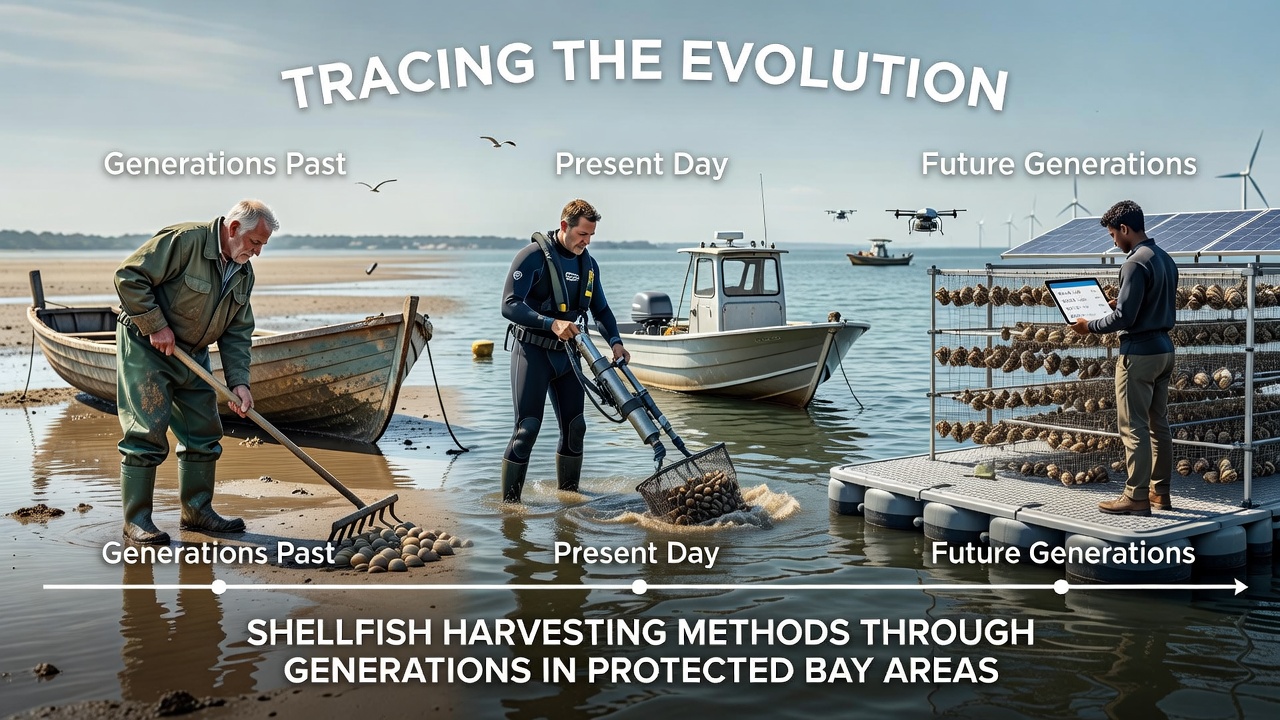
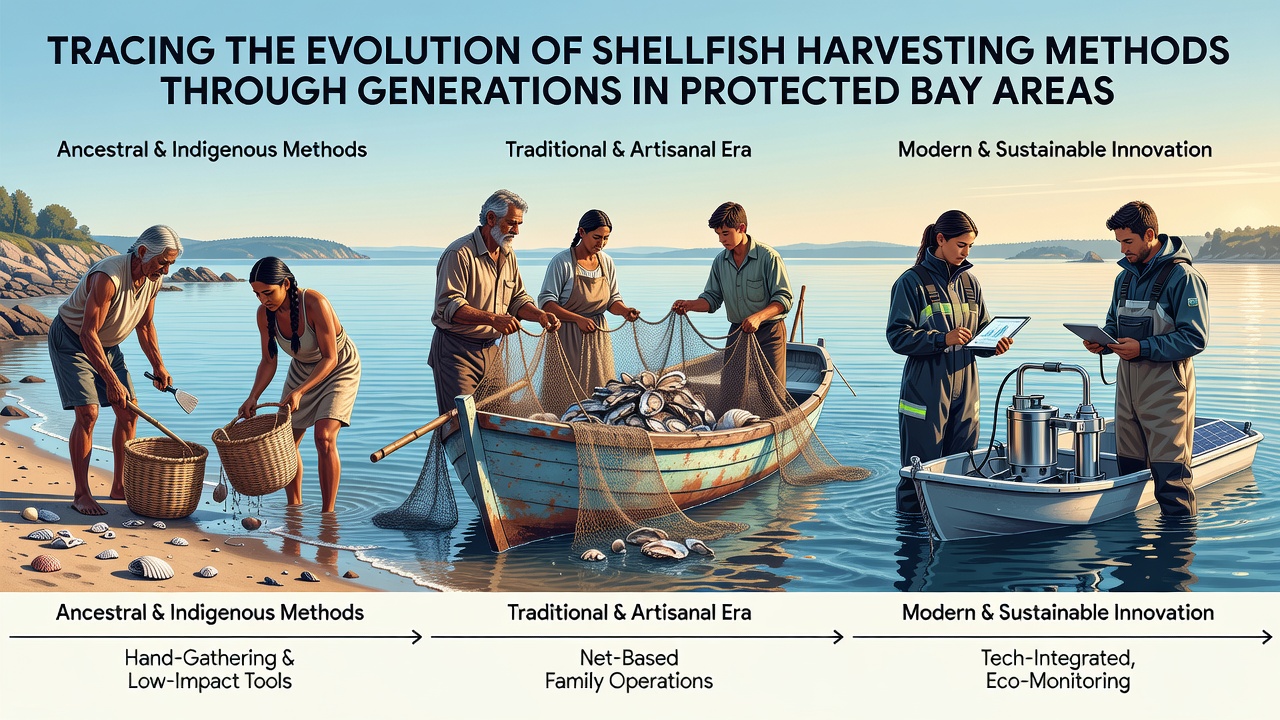
Shellfish harvesting in protected bay areas began with simple hand gathering techniques that coastal communities passed down across generations, and these methods relied on low tide access to beds of clams, oysters, and mussels where workers used wooden rakes and woven baskets to collect mature specimens without disturbing the substrate. Studies from marine research institutions show that early practices focused on seasonal timing tied to spawning cycles, which helped maintain population levels in enclosed waters like those found along the Atlantic and Pacific coasts.
Archaeological evidence indicates that indigenous groups in North America employed similar selective harvesting long before European settlement, and they often rotated gathering sites within bays to allow recovery periods of several years. Data from fisheries records reveal that these approaches limited daily yields to what families could process and consume locally, creating a natural balance with the ecosystem's regeneration rates.
Introduction of Mechanical Tools and Expanded Reach
By the late 1800s, boat-based methods entered protected bays as small vessels equipped with hand-operated dredges allowed access to deeper beds, and this shift increased harvest volumes while introducing concerns about bottom habitat disruption. Observers note that regulatory bodies in regions such as the United States began documenting these changes through landing statistics that tracked species like hard clams and bay scallops.
European fisheries adopted comparable adaptations during the same era, whereas Australian coastal operators integrated sail-powered craft to navigate sheltered inlets more efficiently. Research indicates that these mechanical aids extended the season but prompted early management rules that restricted gear types in sensitive zones to prevent over-extraction.
Regulatory Frameworks and Protected Area Designations
Protected bay designations emerged in the mid-20th century when governments established marine reserves to safeguard breeding grounds, and these measures required harvesters to follow size limits, seasonal closures, and gear restrictions that evolved with scientific input. According to information from the National Oceanic and Atmospheric Administration, monitoring programs in U.S. bays collect data on stock health that informs adjustments to harvest quotas each year.
Canadian authorities implemented similar protections in Atlantic estuaries where shellfish beds support commercial and recreational activities, and European Union directives coordinate cross-border efforts to align harvesting standards with environmental assessments. Those who've examined long-term records find that such frameworks reduced illegal taking and encouraged community reporting of violations.
Contemporary Techniques and Technological Integration
Current methods combine traditional knowledge with tools like GPS mapping and underwater cameras that locate beds without repeated physical disturbance, and divers now use suction devices in deeper protected waters under permit systems that track every outing. Figures from industry reports show rising adoption of suspended culture systems in bays where floating rafts or bottom cages allow controlled growth of mussels and oysters.
Researchers discovered that these hybrid approaches improve survival rates compared with open-water collection alone, while electronic tagging of harvested batches supports traceability programs that buyers and regulators both rely upon. What's interesting is how generational knowledge still guides decisions on when to thin beds or relocate seed stock to optimize yields within legal boundaries.
Regional Variations and Ongoing Adaptations
In Pacific Northwest bays, operators emphasize low-impact hand picking supplemented by mechanical graders on shore, whereas Gulf Coast communities integrate restoration projects that plant cultch material to rebuild oyster reefs before any harvesting resumes. Australian programs in protected inlets have documented success with rotational harvesting zones that close sections for multi-year periods based on biomass surveys.
By October 2026, updated monitoring protocols in several international bays will incorporate real-time sensor networks that alert managers to temperature or salinity shifts affecting shellfish health, and these systems build on decades of observational data collected by local harvesters. People who've participated in these transitions often note the value of blending older observational skills with new data streams.
Conclusion
The progression of shellfish harvesting in protected bays reflects a continuous response to environmental conditions, regulatory requirements, and technological options that communities refine over time. Evidence from fisheries agencies across multiple continents demonstrates that successful methods balance extraction with habitat preservation, and ongoing data collection supports further refinements to these practices. Observers continue to track how generational knowledge adapts alongside scientific findings to sustain both the resource and the livelihoods it supports.