Vera Vogel · 29 October 2026
The Interplay of Tidal Cycles and Traditional Net-Mending Workshops in Remote Harbor Settlements
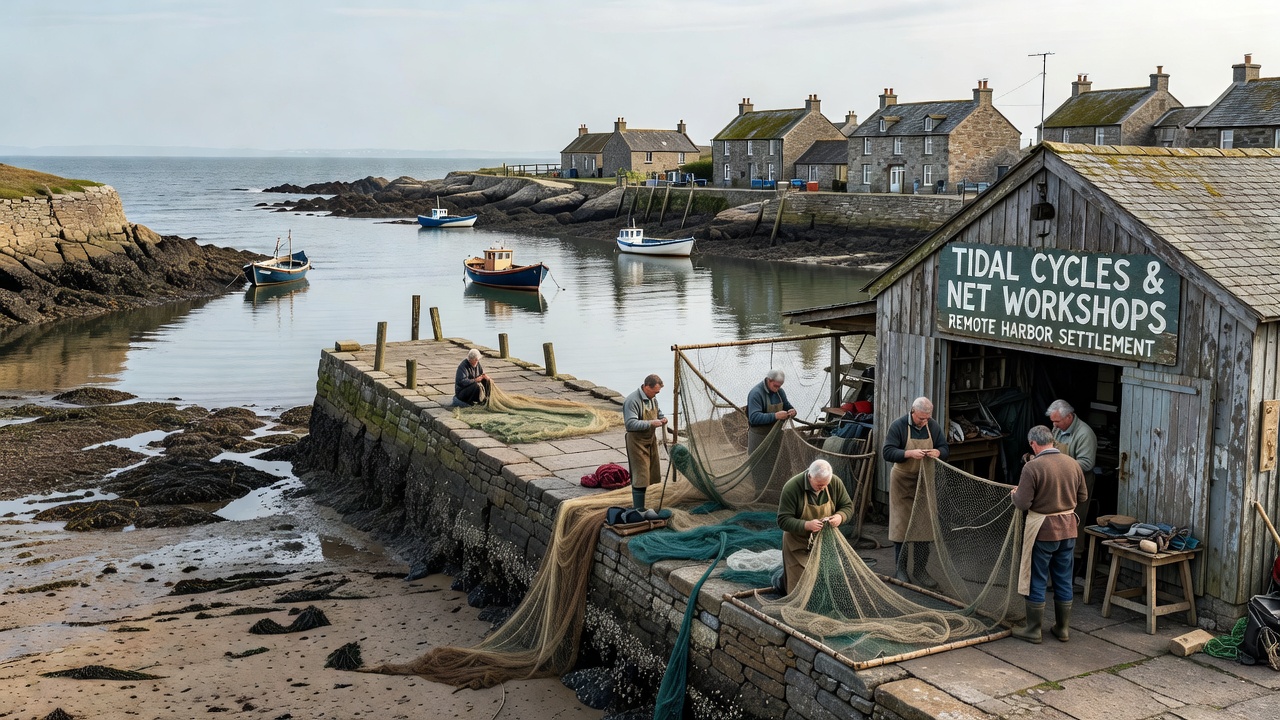
Tidal cycles shape daily routines in remote harbor settlements where fishing communities rely on predictable water level changes to coordinate net repairs and knowledge transfer sessions, and these patterns create natural windows for workshops that align with low tide periods when vessels remain grounded on harbor floors.
Tidal Patterns and Their Influence on Harbor Activities
Harbor settlements along coastlines experience semidiurnal or diurnal tides that produce two high and two low points each day in many regions, or one cycle in others, and these fluctuations determine when boats can safely access repair areas or when nets can be spread out on docks without interference from rising waters. Data from monitoring stations shows that tidal ranges vary from less than one meter in some sheltered bays to over ten meters in locations with extreme amplitudes, which directly affects the duration available for land-based tasks such as net inspection and mending.
Communities adjust workshop schedules around these cycles because low tide exposes work surfaces and allows groups to gather without the pressure of incoming waves, whereas high tide periods often shift focus to offshore fishing or indoor storage of equipment, and researchers have documented how lunar phases amplify spring tides that extend these low periods for longer sessions in places like the Pacific Northwest and northern Atlantic outposts.
Traditional Net-Mending Techniques Passed Through Workshops
Net-mending workshops in these settlements transmit skills involving knot tying, mesh repair, and material selection that have evolved over generations to suit local fish species and current strengths, and participants typically work with cotton, nylon, or hemp twine depending on regional availability. Observers note that sessions often begin with sorting damaged sections from the previous catch, followed by demonstrations of specific stitches that prevent unraveling under tension, and these methods incorporate adjustments for seasonal changes in water temperature that affect net durability.
According to records maintained by fisheries authorities in Canada, such workshops occur in settlements where participants range from experienced elders to younger apprentices, and the process includes practical exercises that replicate real conditions encountered during hauls, which helps maintain the integrity of gear used in commercial operations.
How Tidal Timing Structures Workshop Schedules
Workshop organizers in remote areas consult tide tables to set dates that maximize daylight hours during ebb flows, which creates extended opportunities for collective work without interruption, and this coordination has become more precise with digital forecasting tools that predict exact times for optimal conditions. In October 2026, for instance, certain harbors will see neap tides that produce milder fluctuations suitable for multi-day gatherings, allowing sustained focus on complex repairs that might otherwise require multiple shorter sessions spread across weeks.
People in these settlements often combine mending with storytelling that embeds environmental knowledge, such as recognizing signs of shifting currents or seasonal fish movements, and the tidal rhythm provides a natural structure that reinforces both practical skills and community bonds through repeated cycles of activity and rest.
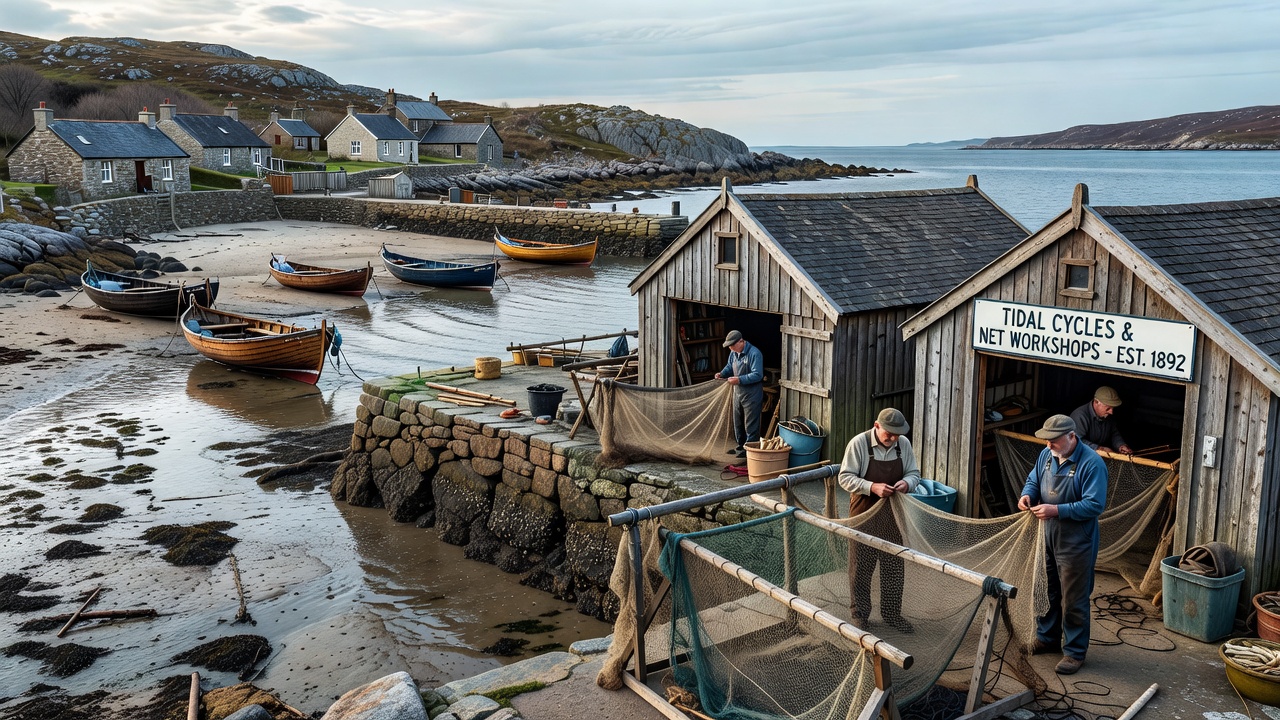
Studies from marine research institutions indicate that synchronization with tides reduces equipment wear and improves repair quality because workers can lay out full net sections flat on dry surfaces, and this approach contrasts with rushed fixes attempted during high water when space and stability become limited.
Regional Variations in Practices and Environmental Factors
Settlements in different geographic zones adapt the same core principles to local tidal regimes, such as the larger ranges found in the Bay of Fundy compared to smaller variations in Mediterranean harbors, and these differences influence everything from net sizes to workshop durations. Data shows that communities facing stronger tidal currents tend to emphasize reinforced edge repairs during sessions, while those in calmer waters focus more on fine mesh maintenance for smaller species.
External factors like seasonal weather patterns interact with tides to either extend or shorten available workshop windows, and historical accounts describe how storms coinciding with spring tides have prompted emergency gatherings to prepare gear quickly before the next cycle. Links to authoritative tidal information appear in resources from the National Oceanic and Atmospheric Administration, which provides detailed predictions used by many coastal groups, alongside reports from Fisheries and Oceans Canada that track how these rhythms support sustainable fishing practices across northern settlements.
Conclusion
The connection between tidal cycles and net-mending workshops in remote harbor settlements demonstrates a practical system where natural rhythms guide community activities, and ongoing documentation of these patterns continues to support both cultural preservation and operational efficiency in fishing operations worldwide.