Vera Vogel · 1 October 2026
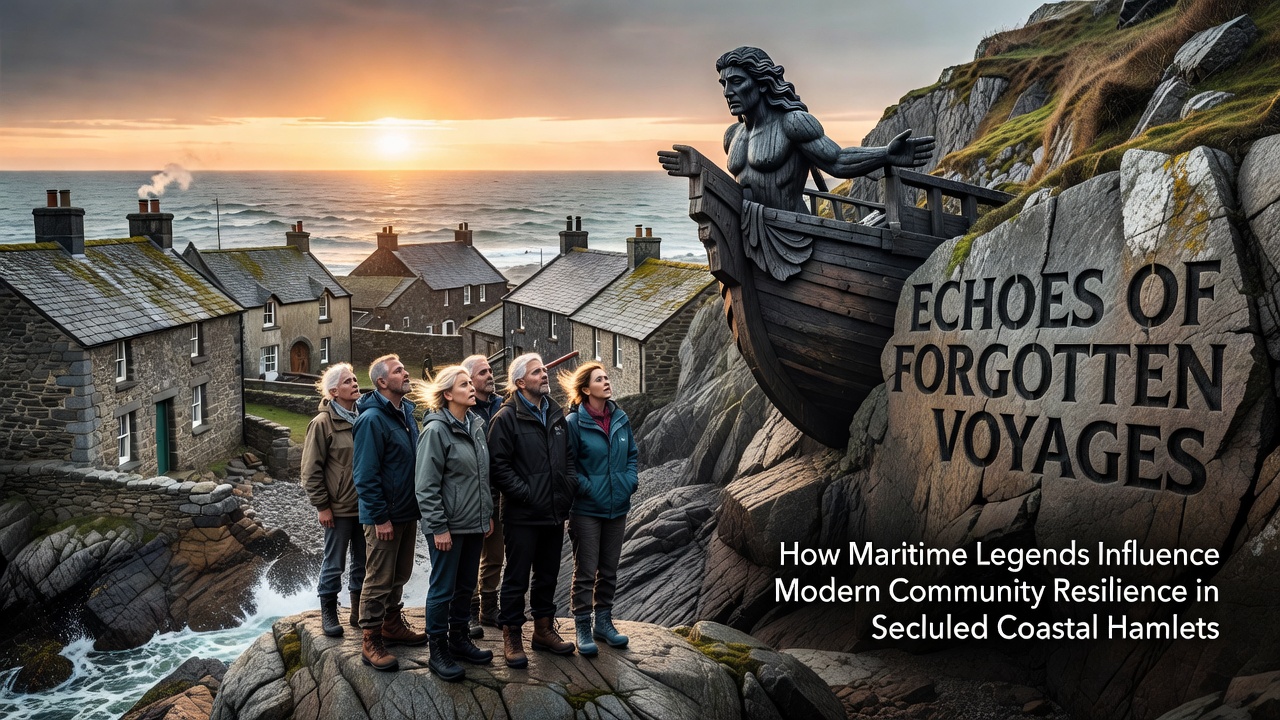
Echoes of Forgotten Voyages: How Maritime Legends Influence Modern Community Resilience in Secluded Coastal Hamlets
Coastal hamlets tucked away from major trade routes have long preserved stories of lost expeditions, phantom vessels, and ancient navigators who charted unknown waters, and these narratives continue to shape how residents prepare for and recover from storms, economic shifts, and environmental changes. Researchers tracking oral traditions in places such as the Scottish Hebrides, Newfoundland outports, and remote Pacific Northwest villages note that repeated retellings of forgotten voyages transmit practical knowledge about tides, wind patterns, and safe harbors while reinforcing social bonds that activate during crises.Transmission of Knowledge Through Legend
Communities record details of past shipwrecks and survival strategies inside tales that residents share during winter gatherings or summer festivals, and data collected by marine anthropologists shows these stories often contain accurate descriptions of local currents and seasonal hazards that formal charts overlook. In one documented case along the Labrador coast, elders recounting voyages of 19th-century sealers highlighted specific ice leads that modern search-and-rescue teams still reference during October operations. Such embedded information reaches younger generations through repeated performance rather than classroom instruction, which creates redundancy that persists even when written records are lost.
Observers studying hamlet archives find that legends frequently adapt over decades yet retain core warnings about over-reliance on single resources or underestimating autumn gales. This flexibility allows the narratives to address contemporary issues such as shifting fish stocks and rising sea levels without losing their cultural authority.
Role in Building Social Cohesion
Maritime legends supply shared reference points that encourage collective action when external support arrives slowly, and studies of disaster response in isolated settlements indicate higher rates of mutual aid in locations where these stories remain active. During the 2023 storm season on the west coast of Ireland, for example, residents organized boat-based supply runs using routes first described in accounts of 18th-century smugglers, and similar patterns appear in records from Australian coastal communities facing cyclone seasons. The stories therefore function as both memory aids and coordination scripts that activate without formal planning meetings.
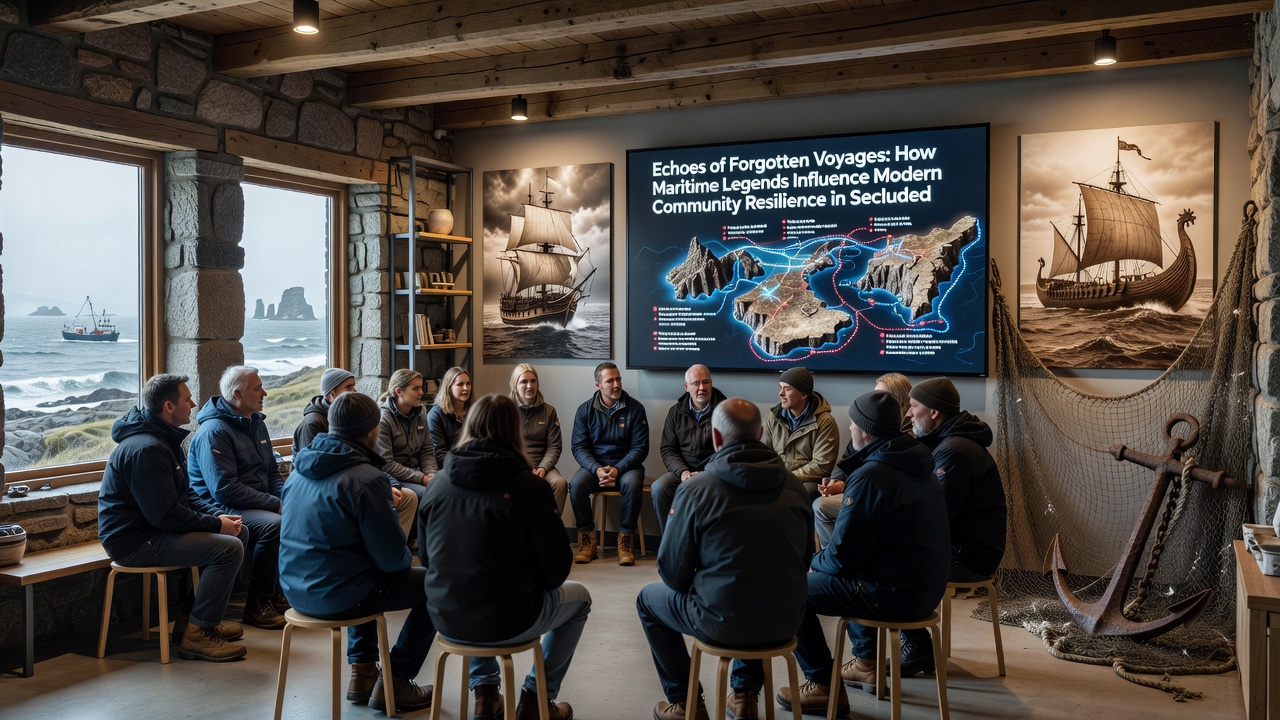
Local festivals scheduled for October 2026 in several Newfoundland hamlets will feature new dramatizations of forgotten voyages alongside updated resilience workshops, and organizers report that participation rates in these events correlate with faster recovery metrics tracked by provincial emergency services. Government data from Fisheries and Oceans Canada shows communities maintaining active storytelling networks experience shorter periods of economic disruption after major weather events compared with similar hamlets where such traditions have faded.
Integration With Modern Planning
Planners in remote coastal regions increasingly incorporate legend-based mapping into official hazard assessments, and academic reports from the University of Tasmania document how indigenous and settler narratives about vanished fleets reveal previously undocumented flood pathways on Tasmania’s east coast. These combined maps improve evacuation route design while respecting cultural ownership of the source material. European Union coastal management guidelines now encourage member states to record intangible maritime heritage as part of adaptation strategies, recognizing that stories encode centuries of observed environmental behavior.
Case records from the Aleutian Islands illustrate how accounts of Russian-era voyages helped residents identify sheltered anchorages during the 2025 seismic activity, and post-event surveys revealed that households referencing those legends maintained higher levels of food and fuel reserves. The pattern suggests legends operate as distributed knowledge systems that complement satellite forecasts and official alerts rather than compete with them.
Conclusion
Secluded coastal hamlets continue to draw on echoes of forgotten voyages to strengthen response capacities, and evidence gathered across multiple regions demonstrates measurable links between active legend traditions and improved outcomes during environmental and economic stress. As October 2026 events approach, researchers expect further documentation of how these narratives evolve to address new challenges while preserving core survival information. The interplay between story and practice offers a model for other isolated settlements seeking durable forms of community resilience.